
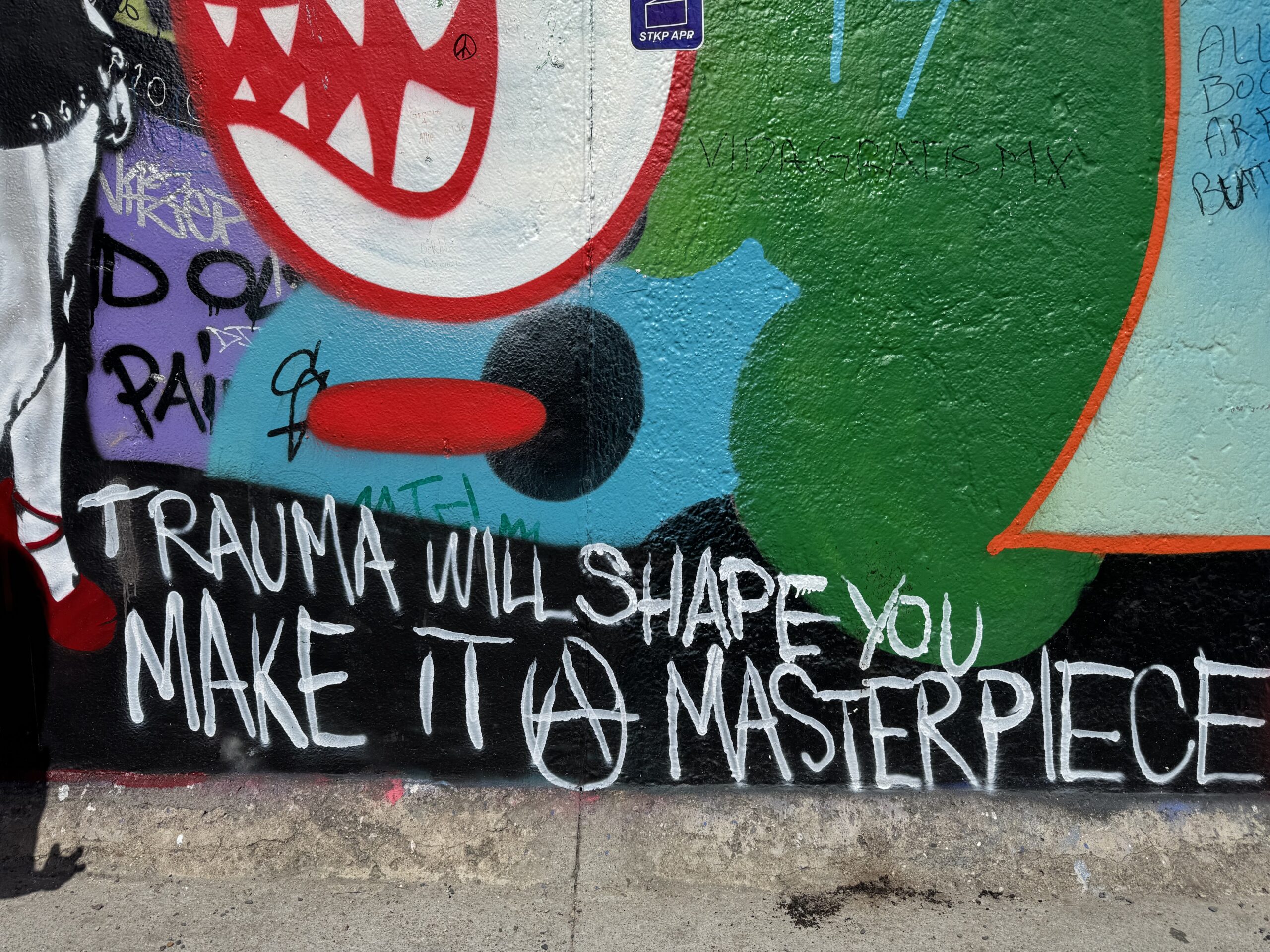
Trauma will shape you. Make it a masterpiece
This summer, my family and I visited Berlin. Had we gone six months ago, this post would be completely different and would entirely focus on how the city triggered my concussion symptoms at every single turn. Back then, that was all I could see. But I am no longer in that stage of my recovery.
More importantly, Berlin doesn’t let you dwell on your own suffering. Instead, it demands that you reflect on how an entire city bounced back from a traumatic twentieth century. Everywhere you look, there is evidence of war, destruction, division, and reconciliation. So, as I wandered its streets, I found invaluable lessons for my own healing, starting on our very first afternoon.
While visiting the remains of the Berlin Wall, I found a piece of graffiti amidst the murals that hit me just as hard as some of Taylor’s lyrics. It said:
“Trauma will shape you. Make it a masterpiece.”
Wow. It felt so incredibly true. If there is one thing I have discovered over the last two years, it is the importance of channelling traumatic life experiences into creative, purposeful projects that allow you to grow. Psychologists call it post-traumatic growth. Whoever wrote that graffiti called it a masterpiece, and I like that definition much better.
Berlin’s history perfectly illustrates how trauma shapes you. Throughout the twentieth century, the city endured the devastation of WWI, the instability of the Weimar Republic, the horrors of WWII, and decades of Cold War division. Physical evidence of this trauma remains scattered across every single corner of the city.
I want to be clear: I am not comparing my personal struggle to the monumental, tragic history of Berlin. They exist on completely different scales. Yet, as I have shared many times on this blog, my own trauma is also deeply layered.
Berlin reminded me this summer that when hardships accumulate, they fundamentally reshape us. There is no escaping that reality. But this city also showed me that we still have a choice. We can let trauma break us, as I did for the last two years, or we can choose to build something meaningful from it, a masterpiece.
In recent months, I’ve chosen to start working on that masterpiece, and this blog is just the first piece of it, a springboard for a vision that is just beginning to unfold.
Berlin also taught me the importance of not hiding your hard history away. Anywhere you go in the city, you see where the former Wall once stood, marked by a double row of cobblestones and metal strips embedded right into the pavement.
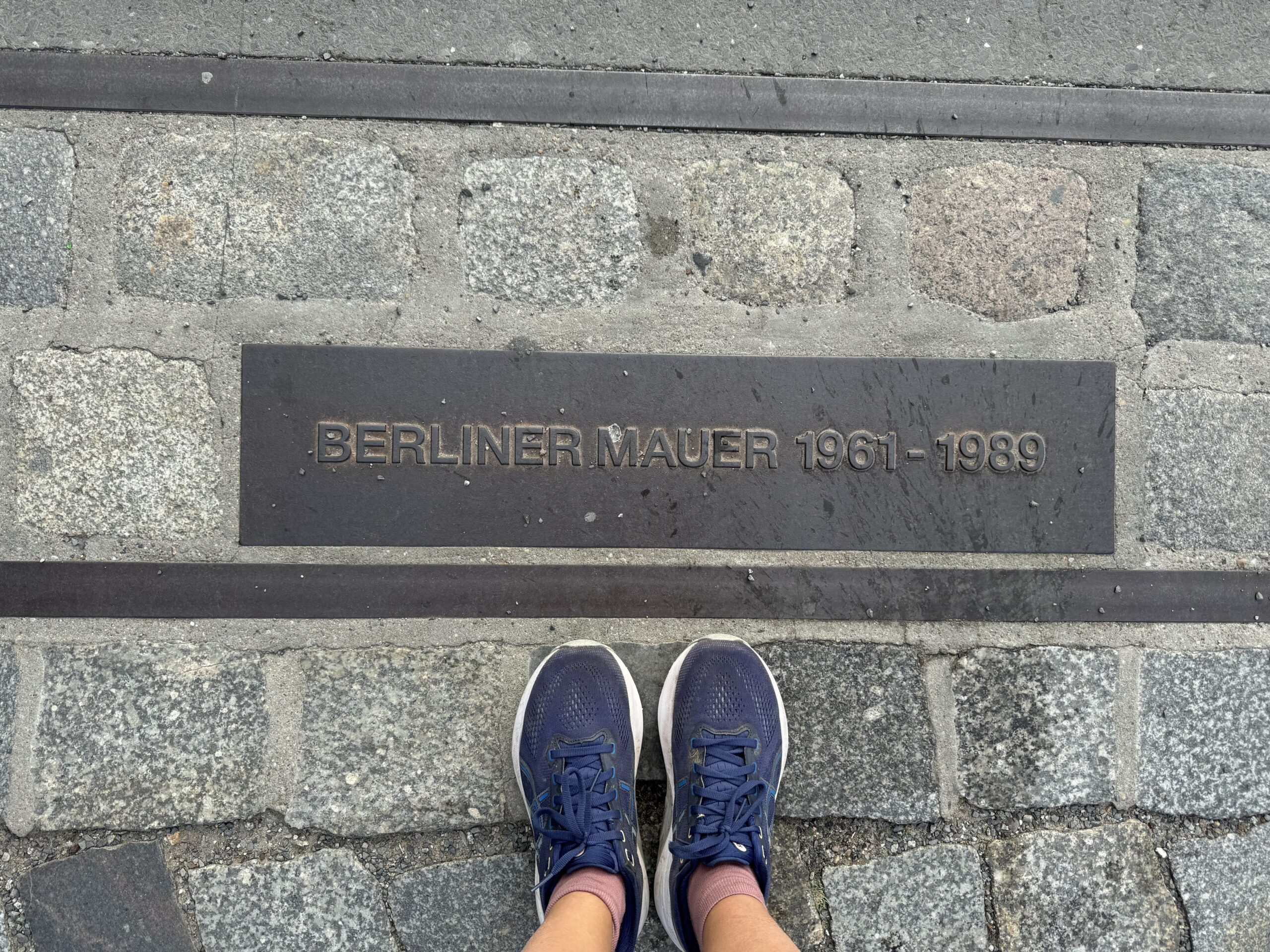
Berlin could have easily paved over its painful past or hidden it away, pretending nothing had happened. But instead, the city left its history exposed for everyone to see and learn from.
For two years, I did the exact opposite. I exhausted myself putting on a brave face to mask the reality of a car accident and traumatic brain injury that completely rewrote my life. But hiding it helped no one. By speaking openly about PCS, not just with other survivors, family and friends, but with a medical community that often misunderstands this invisible injury, I am finally laying the foundation for the masterpiece I’m choosing to build.
Later in our trip, as these thoughts were swirling in my head, we visited the Berlin Wall Memorial. There, the Reconciliation statue, with two kneeling figures holding onto each other, felt like looking into a mirror.
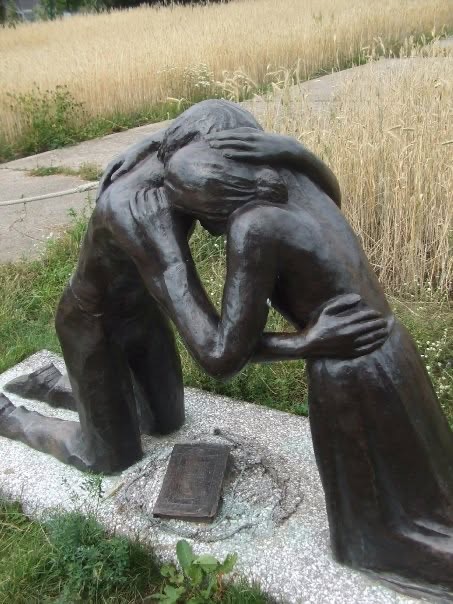
Because it sits right in the old Death Strip where the Wall once stood, it naturally makes you think of the healing that happened when the Wall came down in 1989. But in reality, the statue was created after World War II, inspired by a true story of a woman who crossed Europe on foot to locate her missing husband. The artist wanted it to represent the reunion of nations after the war just as much as the reunion of two people.
Standing there, I instantly thought of the reconciliation I need to achieve within myself. For over two years, I have been fighting an internal war, a constant battle between the “old me” and the “injured me.” But seeing those two figures holding on to one another made me realise that if I want my masterpiece to work, I need to end this internal conflict and learn to love both my past and my future.
Berlin also showed me what it looks like to find a second life when everything changes. We spent a morning at Tempelhof Airport, a Nazi landmark that now has been completely reclaimed. Today, the former runways are a public park for joggers and cyclists.
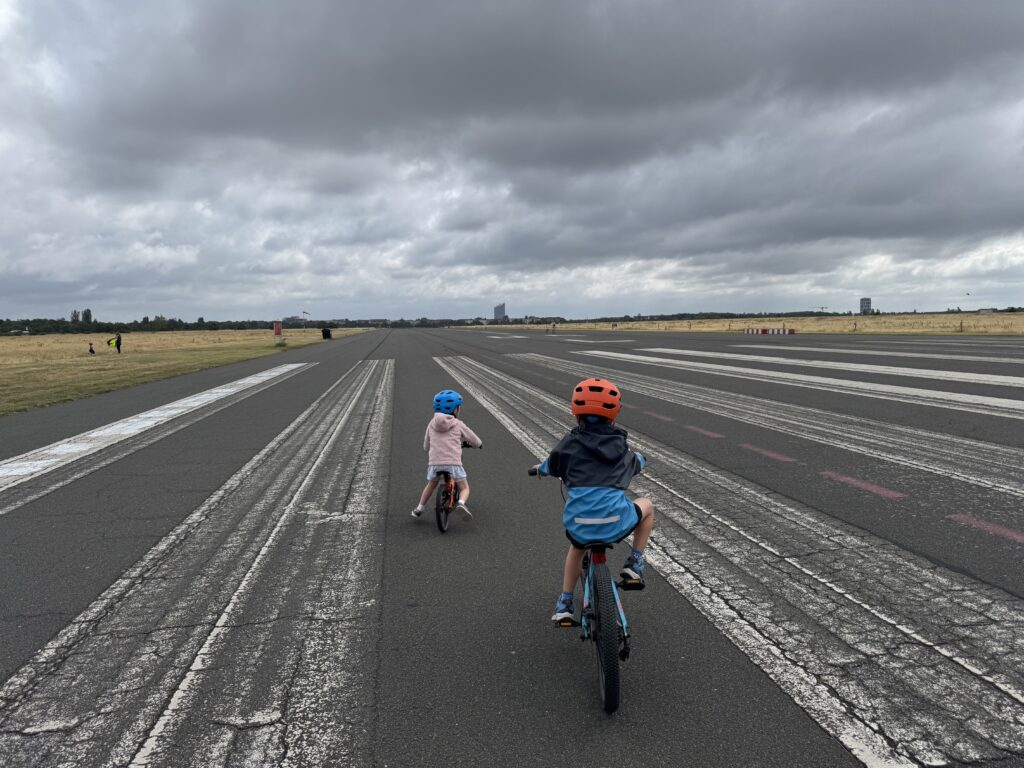
Watching my kids ride their bikes across the old runways, I realised that my past life isn’t obsolete. I might not be standing at the front of a classroom anymore, but the skills I gained as a teacher are still there. I can give them a new life in this post-concussion world.
Our final stop in Berlin provided the ultimate definition of what a masterpiece can become. Standing beneath the Reichstag’s glass dome, I felt empowered. This historic parliament building was burned in 1933, bombed during World War II, and left abandoned for decades during the Cold War. After German reunification, it was beautifully restored, crowned with a magnificent glass dome, and now houses the Bundestag, Germany’s parliament.
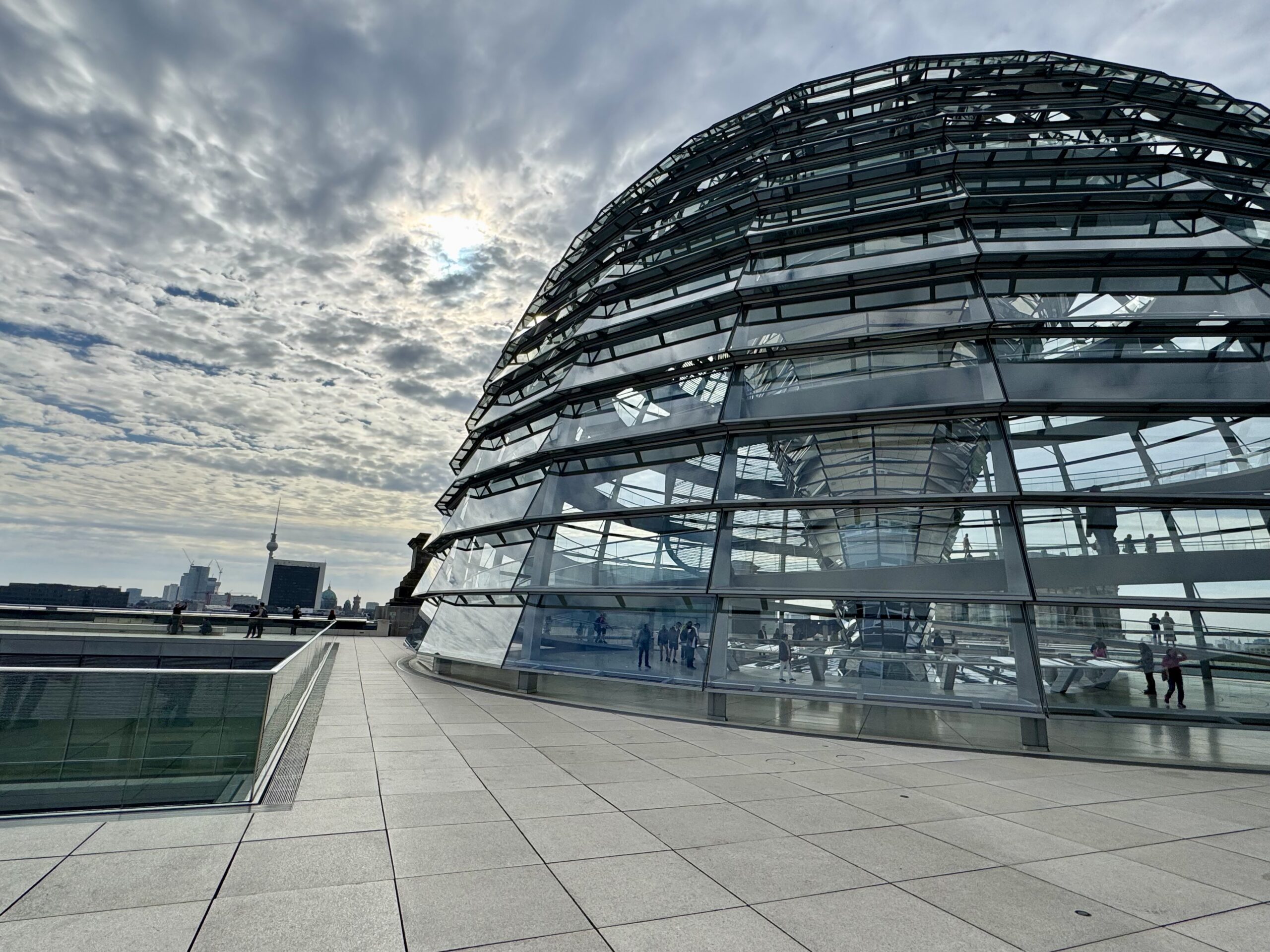
It is the ultimate symbol of a masterpiece, a monument born from deep trauma that rose from the literal ashes to remind us that no matter how broken things seem, we can survive, rebuild, and thrive.
Standing there, I felt a strong connection to the building. My car accident, my concussion, and the resulting burnout completely shattered my world. But the Reichstag reminded me that destruction doesn’t have to be the end of the story. Like this iconic building, I can build a new life that reflects light out into the world, just as the glass dome does. A true masterpiece.
I don’t have all the answers for this masterpiece yet, but I am ready to start the work. Taylor’s words echo my own reality:
“I don’t know what I want, so don’t ask me
‘Cause I’m still trying to figure it out
Don’t know what’s down this road, I’m just walking
Trying to see through the rain coming down.‘Cause I’m just a girl, trying to find a place in this world.”
The Concussion Girl
- Swift, Taylor. “A Place In This World,” Taylor Swift. Taylor Swift, 2006. ↩︎
Comments
I can see why losing teaching was such a hard loss to grieve and accept – you are truly gifted at connecting lessons from many areas together. This post masterfully captures a real depth of that struggle I’m still trying to work through between the past, hidden and visible, and how to live in it in the present with this recovery process.
Thank you so much for your words. You’re totally right about losing teaching, it’s been a massive piece of the grief and I am still working on it. The habit of connecting dots and finding lessons in everything also comes from my dad being a vicar. I grew up watching him find deeper meaning in everyday moments, so it’s just a part of who I am. Balancing the past, the invisible pain, and the present recovery is so messy and I’m right there with you.