
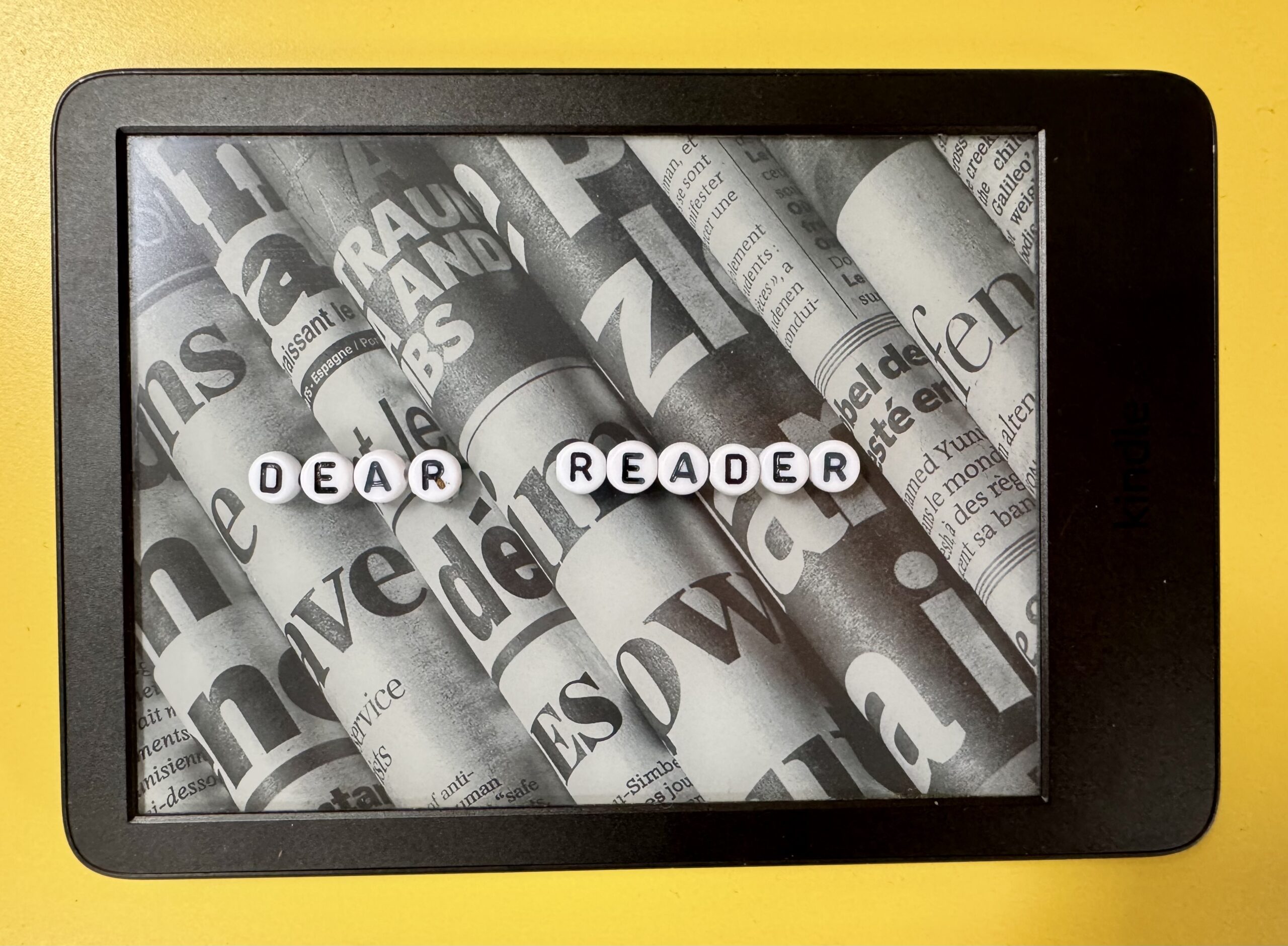
Dear Reader
Since developing Post-Concussion Syndrome (PCS), reading has become one of my greatest struggles. As a teacher, I took it for granted and relied on it every single day. Now, it feels like an uphill battle.
Reading with PCS means every single sentence requires intense physical effort. Staring at the stark black-and-white contrast of a printed page often leaves me feeling completely detached, triggering a strange, floating, out-of-body sensation. When font sizes are small, the words dance across the page and leave me completely disoriented. It never takes long for this visual chaos to spiral into a pounding headache and waves of nausea.
Because all of my energy goes into the mechanical act of tracking words, comprehension quickly slips away. I constantly have to re-read sentences multiple times just to process their meaning. Even something as simple as reading a couple of bedtime stories to my kids leaves me completely reeling, unsure what I’ve just read.
Eventually, I found that reading on a Kindle was easier. Unlike traditional paper books, the digital screen allows me to adapt the text to my brain’s specific needs. By enlarging the font size, widening the layout spacing, using dark mode, and switching fonts, my brain can finally process words without the constant, intense strain.
Thanks to these digital adjustments, I have spent the last year slowly moving through book after book. The stories inside those pages truly became my lifeline during a time when I felt like I was falling apart because of the ongoing struggles of my brain injury. Entering those literary worlds reminded me that I wasn’t alone.
Taylor famously warns us in her song Dear Reader:
“Never take advice from someone who’s falling apart.” 1
And since I have definitely been falling apart for the last two years, I will step aside today. Instead, I’m sharing a list of book recommendations that inspired me to keep going when giving up felt like the easier choice.
Here are the five books that helped me find my way back to myself.
Be Patient: Life, Loss and Laughter from Behind the Hospital Curtain
by Tilly Rose
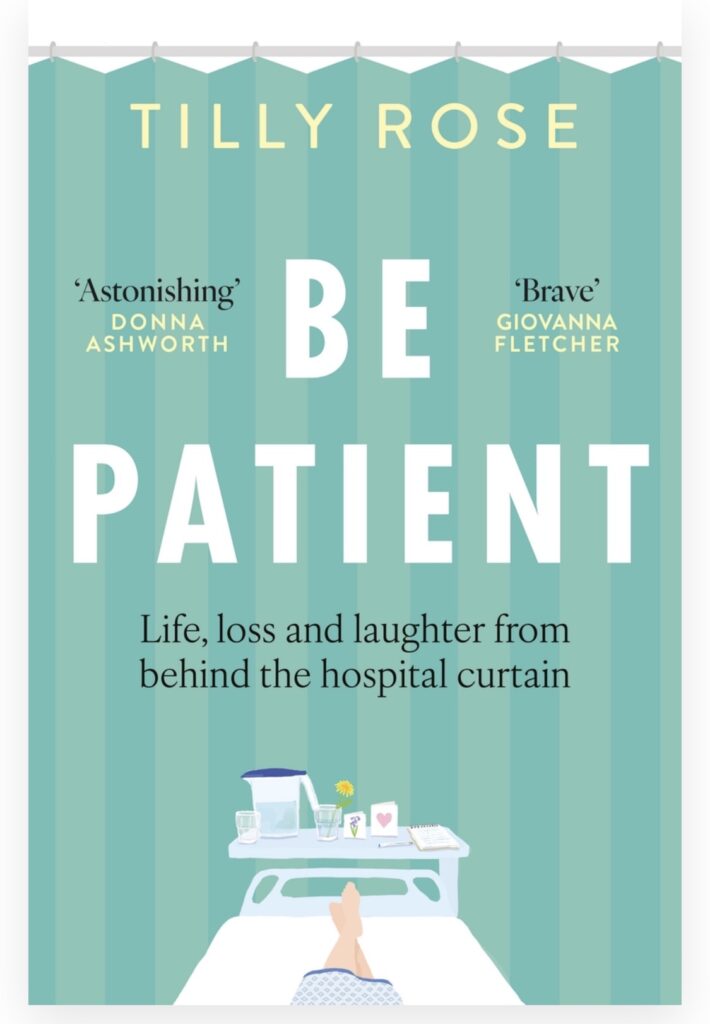
This is the exact book that inspired me to start writing this blog. My GP recommended it to me, and I cannot thank her enough for the suggestion. Tilly’s story is deeply moving as she navigates the NHS healthcare system while living with a rare, mysterious condition.
Reading about her twenty-year journey and how she learned to advocate for herself completely changed my perspective. Her words reminded me that even when our health leaves us feeling completely shattered, sharing our experiences is a powerful way to turn pain into purpose. Her resilience gave me the exact push I needed to step out of my comfort zone and start documenting my own recovery.
I Haven’t Been Entirely Honest With You
by Miranda Hart
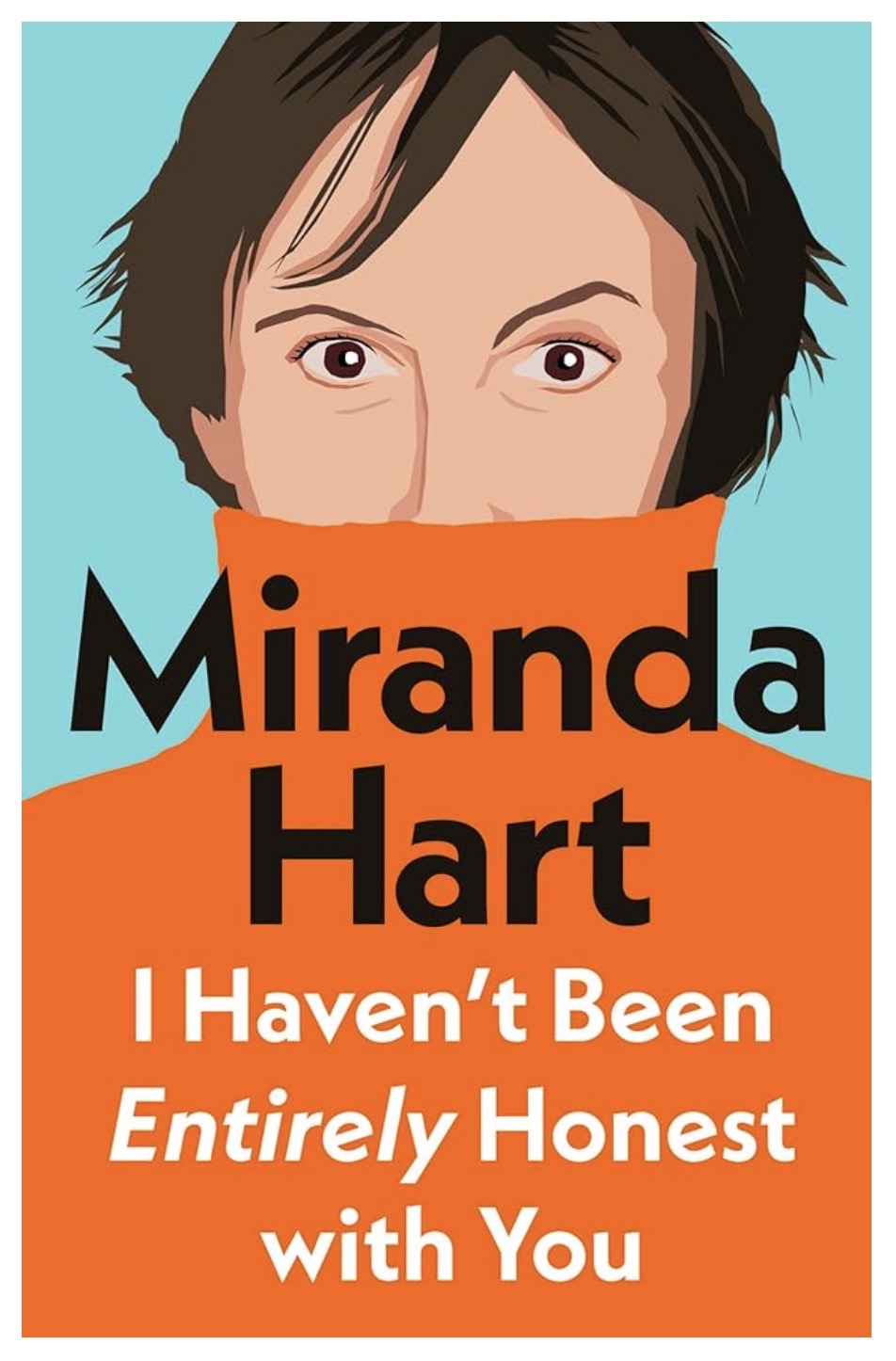
Recommended by my friend Louise, Miranda Hart’s memoir provided a source of light during the darkest days of my recovery. In her book, she shares her ten-year battle with severe chronic illness.
A moment that deeply resonated with me was when she discovered a doctor had written “TATT” – medical shorthand for “Tired All The Time” – at the top of her medical notes. It was a heartbreaking example of medical gaslighting, dismissing her severe, undiagnosed Lyme disease as ordinary tiredness.
Miranda has taught me that even when your body is breaking, your spirit can still thrive.
Victory Over Vestibular Migraine: The ACTION Plan for Healing & Getting Your Life Back
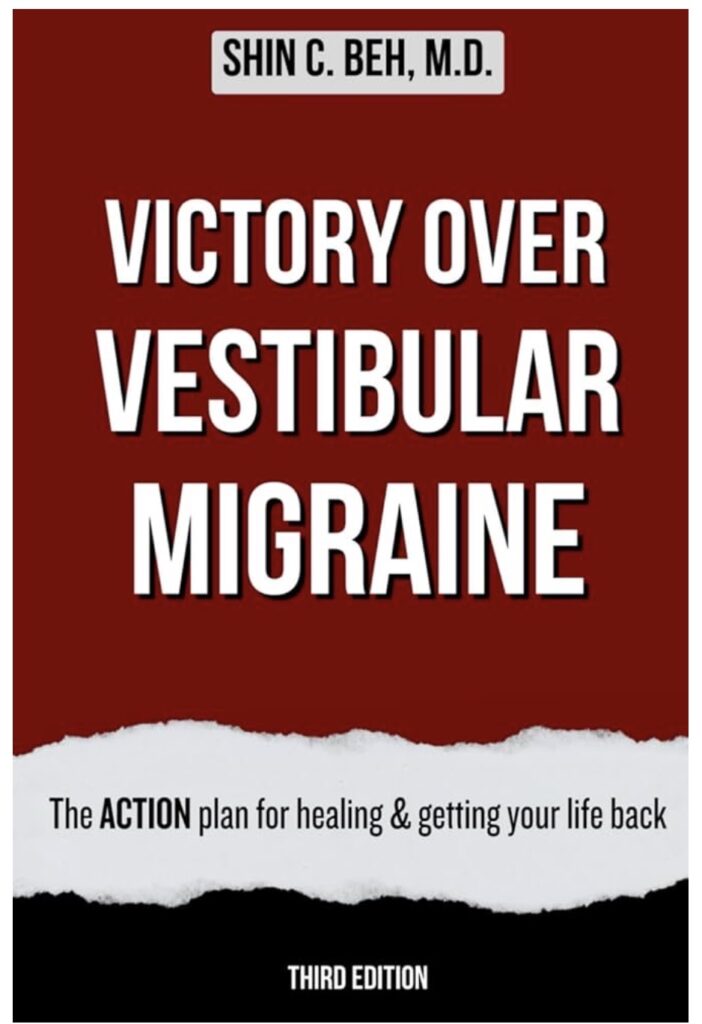
While Tilly and Miranda provided the emotional framework for surviving chronic illness, Dr Beh’s book provided the science and medical answers I desperately needed. Dealing with Vestibular Migraine and PPPD alongside Post-Concussion Syndrome meant my world was constantly spinning, rocking, and completely off-balance.
Recommended by a friend who is also struggling with PCS and VM, this book was a major turning point in my education about my dizziness. Reading his work validated that my “out-of-body” sensations and those weird dizzy sensations weren’t just in my head; they are part of a recognised neurological condition.
This book also gave me the language to use at medical appointments and the tools to actively take charge of my vestibular rehab, creating a path to reclaim my life.
Rest Is Resistance: A Manifesto
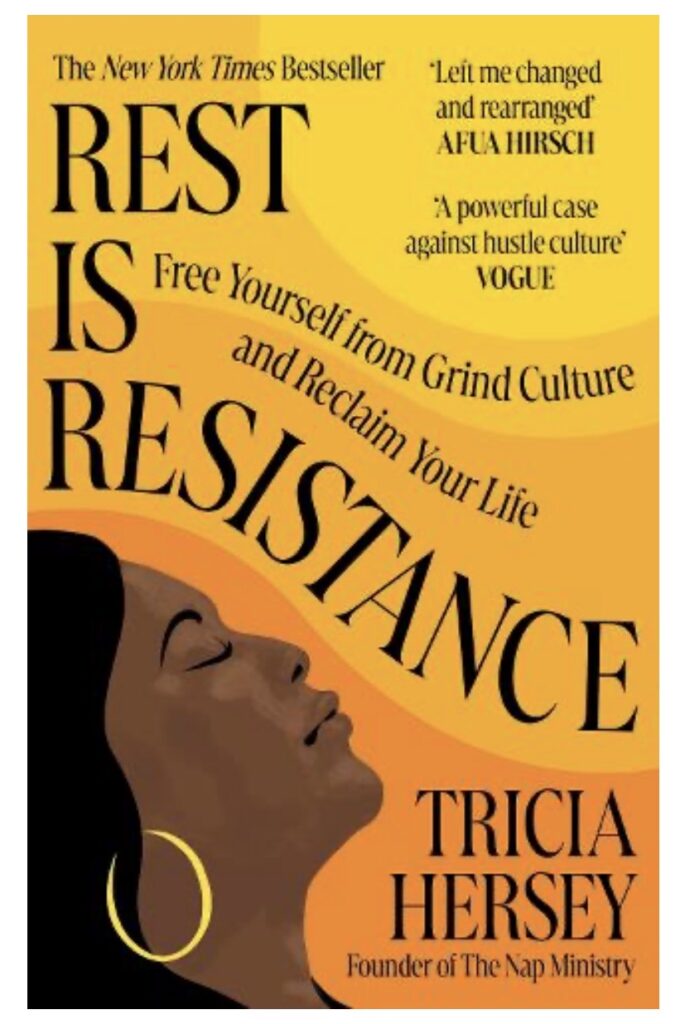
Living with Post-Concussion Syndrome (PCS) brought a constant internal conflict about rest. For months, I was haunted by the feeling that I wasn’t doing enough, working enough, or recovering ‘fast enough.’ Society made me feel that rest was laziness, and I carried that guilt every day.
This book completely reframed my perspective. Tricia Hersey argues that rest is not a luxury or a reward, but a divine birthright and a form of radical resistance against a society that demands that our bodies behave like machines.
Reading her words gave me ‘permission’ to view rest as a sacred space where I can heal and repair. She taught me that resting is the ultimate act of reclaiming my health, my body, my mind, and my power.
Invisible Women: Exposing Data Bias in a World Designed for Men
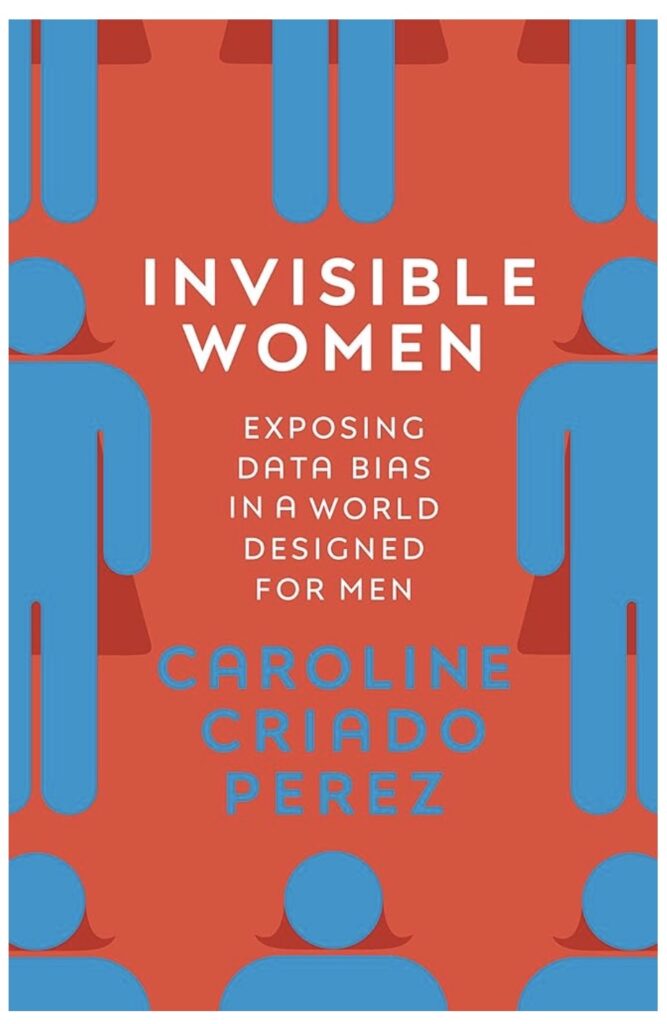
Recommended by my psychologist, this book investigates the data bias and the way science treats men as the human default.
Reading it was infuriating yet deeply validating. I learned that medical textbooks default to male anatomy, women are underrepresented in trials, and women actually suffer more severely from concussions.
The book even exposes how car seatbelts are designed purely for male bodies, revealing that crash tests have historically used only male-proportioned dummies. Having survived a car accident where the seatbelt saved my life but violently jolted my brain and neck, provoking my brain injury, this hit incredibly close to home.
Invisible Women made me realise that I am not the problem, despite what some doctors suggested. I’m simply trying to heal within a medical system that wasn’t designed for a woman’s body.
To close, Dear Reader, I don’t expect you to take my advice. As I’ve shown you all over this blog, I am falling apart. Instead, I highly suggest you listen to Taylor’s words and:
“find another guiding light.” 2
Let these brilliant books and authors be exactly that for you.
The Concussion Girl
- Swift, Taylor. “Dear Reader”, Midnights. Taylor Swift, 2022. ↩︎
- Swift, Taylor. “Dear Reader”, Midnights. Taylor Swift, 2022. ↩︎
Comments
Amazing how much time and effort you have spent educating yourself physically and mentally to get yourself going again.
It is a reflection of the strength you have within.
Keep going
Thank you so much for this beautiful comment. Having people in my corner who truly see the daily effort it takes to navigate this injury means more than words can say. Your encouragement is a huge part of what keeps me moving forward.